The explosion of the digital world in the Philippines is a double-edged sword, bringing conveniences and ease, but also the danger that cybercriminals bring. A major threat facing Filipino citizens…
Phishing is a form of Social Engineering, done in the digital world. Its main objective is to trick victims into clicking on malicious links that direct them to fake but…
Social engineering is the art of manipulating people into giving up their personal information or taking actions that compromise their security. Artificial Intelligence (AI) gives social engineers a powerful new…
Social engineering covers a broad spectrum of cyberattacks grounded in manipulating human error. By pretending to be legitimate entities, cybercriminals dupe users into revealing sensitive data. These attacks demands strategic…
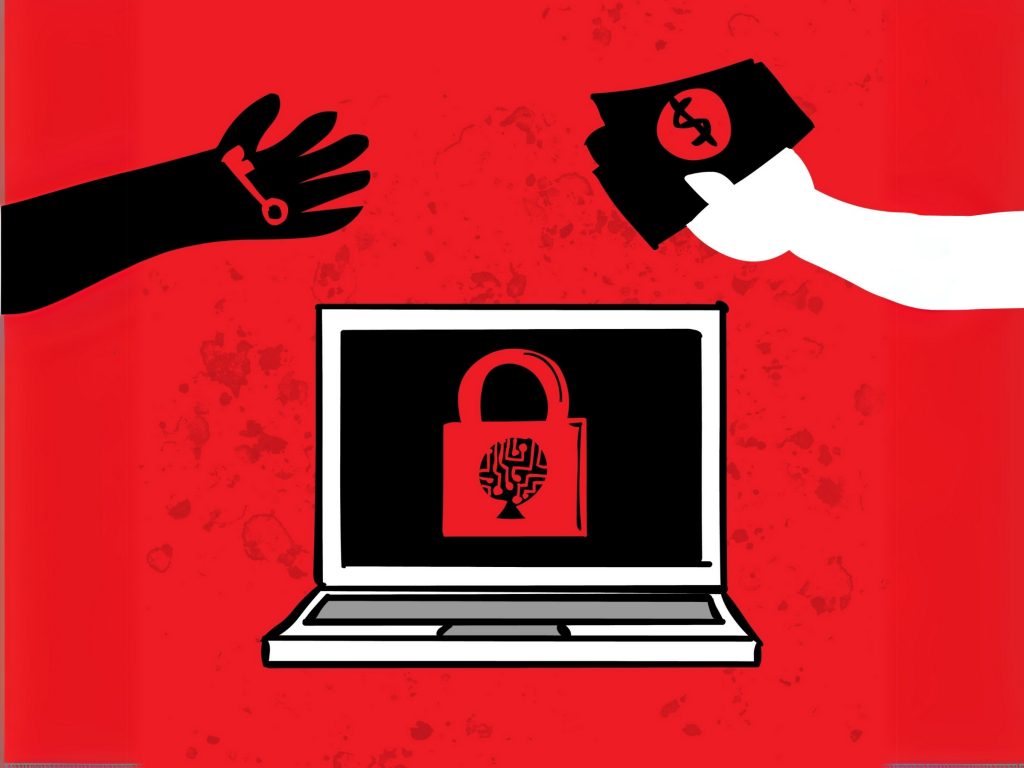
Ransomware emerged as one of the most widespread and financially damaging tools for cyberattacks. This disruptive force not only paralyzes operations but also demands a ransom for the release of…
The Philippines, like many other countries, has faced its share of cyberattacks over the years. The number of ransomware attacks in the country rose by 57.4% in 2022. It is…
Ransomware attacks have become a major digital threat in recent years. In 2023 alone, incidents at Taiwan Semiconductor Manufacturing Company (TSMC) and numerous organizations in the Australia and New Zealand…
Cyber extortion attacks have become a major concern in recent years. In particular, ransomware attacks have disrupted many industries and businesses by encrypting their data and demanding a payment for…
Deepfake is an artificial intelligence (AI) and machine learning technique that creates images, videos, and audio recordings that are realistic enough to deceive people. It can create convincing content that…
Advancements in Artificial Intelligence (AI) have both positive and negative effects. For its benefits, it can detect phishing attempts, provide dark web threat intelligence, filter spam, and authenticate user access…